
Norovirus on Alaska Cruises: Your Legal Rights After Illness
A third gastrointestinal illness outbreak has been reported on an Alaska cruise ship operated by Lindblad Expeditions, raising concerns about passenger health and onboard sanitation. The outbreak occurred aboard the National Geographic Sea Bird, marking the vessel’s third reported stomach illness outbreak in approximately two months, according to health officials.
The Centers for Disease Control and Prevention (CDC) reported the latest outbreak on July 12, during the ship’s July 10–15 voyage from Sitka to Juneau, Alaska. The incident was officially documented in the CDC’s Vessel Sanitation Program (VSP) report released on July 15.
According to the report, 18 of the ship’s 62 passengers became ill during the voyage, meaning nearly one-third of those onboard experienced symptoms of gastrointestinal illness. Health officials continue to investigate the outbreak, while the exact cause has not yet been confirmed.
Although the cause remains under review, norovirus is considered one of the most common causes of gastrointestinal illness outbreaks on cruise ships. Medical diagnosis forms associated with affected passengers have identified norovirus as the suspected illness.
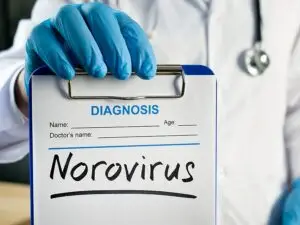
The close quarters and high population density on cruise ships make them particularly vulnerable to norovirus outbreaks. Aronfeld Trial Lawyers has compiled a list of ways to avoid contracting the virus on your next cruise.
Why Norovirus Spreads Easily on an Alaska Cruise Ship
Cruise ships provide an enjoyable travel experience, but they also create an environment where viruses can spread quickly. Shared dining areas, public restrooms, elevators, handrails, and close contact among passengers increase the risk of transmission.
Norovirus is highly contagious and can spread through:
- Contaminated food or water
- Direct contact with an infected person
- Touching contaminated surfaces and then touching your mouth, nose, or eyes
Symptoms commonly include:
- Nausea
- Vomiting
- Diarrhea
- Stomach cramps
- Mild fever
- Fatigue
Most people recover within one to three days, but older adults, young children, and individuals with weakened immune systems may experience more severe symptoms.
How to Prevent Norovirus on an Alaska Cruise Ship
-
Wash your hands thoroughly:
Use soap and water and scrub for at least 20 seconds, paying attention to between fingers and under fingernails.
-
Avoid touching your face:
Minimize touching your eyes, nose, and mouth with unwashed hands.
-
Sanitize surfaces:
Regularly disinfect frequently touched surfaces like doorknobs, countertops, and handrails.
-
Proper food handling:
Wash fruits and vegetables thoroughly, cook food to proper temperatures, and avoid cross-contamination in the kitchen.
-
Report illness promptly:
If you suspect you have norovirus, inform relevant authorities at once to help prevent further spread.
Legal Help After an Alaska Cruise Ship Illness
Aronfeld Trial Lawyers has a strong record of success in handling cruise ship injury cases and lawsuits related to foodborne illnesses like norovirus and salmonella. We work to ensure our clients receive justice and compensation. We understand the tactics used by cruise lines to minimize claims and are prepared to counter them effectively.
We believe most cruise ship accidents and illnesses are preventable. But when cruise lines prioritize profits over passenger safety, people can suffer serious harm. Based in Miami, Florida, our law office focuses on representing passengers in claims and lawsuits against major cruise lines, including Royal Caribbean, Carnival, Celebrity, Norwegian, Silversea, Regent Seven Seas, Holland America, Princess, and Disney Cruise Line.
Related Resources: