
Cruise Ship Injury Claims: Expert Legal Help by Aronfeld Trial Lawyers
By Spencer Aronfeld, Aronfeld Trial Lawyers
Cruise ship vacations are often seen as a luxurious escape, but they can also lead to serious injuries due to negligence. Understanding the legal landscape surrounding cruise ship injuries is crucial for victims seeking compensation. This article delves into the complexities of maritime personal injury law, focusing on the rights of injured passengers and crew members. We will explore the legal processes involved, common types of injuries sustained, and the vital role of attorneys in securing compensation. Additionally, we will discuss the protections offered under the Jones Act and how to navigate the claims process effectively.
Legal Processes Involved
Navigating the legal processes for cruise ship injury claims can be daunting. These processes typically involve understanding jurisdiction and filing requirements, establishing negligence, and recognizing limitation of liability clauses. Jurisdiction often depends on where the injury occurred and the cruise line’s policies. Establishing negligence requires proving that the cruise line failed to uphold its duty of care, leading to the injury. Furthermore, limitation of liability clauses can restrict the amount of compensation available to victims, making it essential to consult with a knowledgeable attorney.
Aronfeld Trial Lawyers specializes in guiding clients through these complex legal waters, ensuring that victims understand their rights and options. With expert legal representation, victims can navigate the intricacies of maritime law more effectively.
Common Types of Injuries Sustained in Cruise Ship Accidents
Cruise ship accidents can result in various injuries, each with unique legal implications. Common types of injuries include:
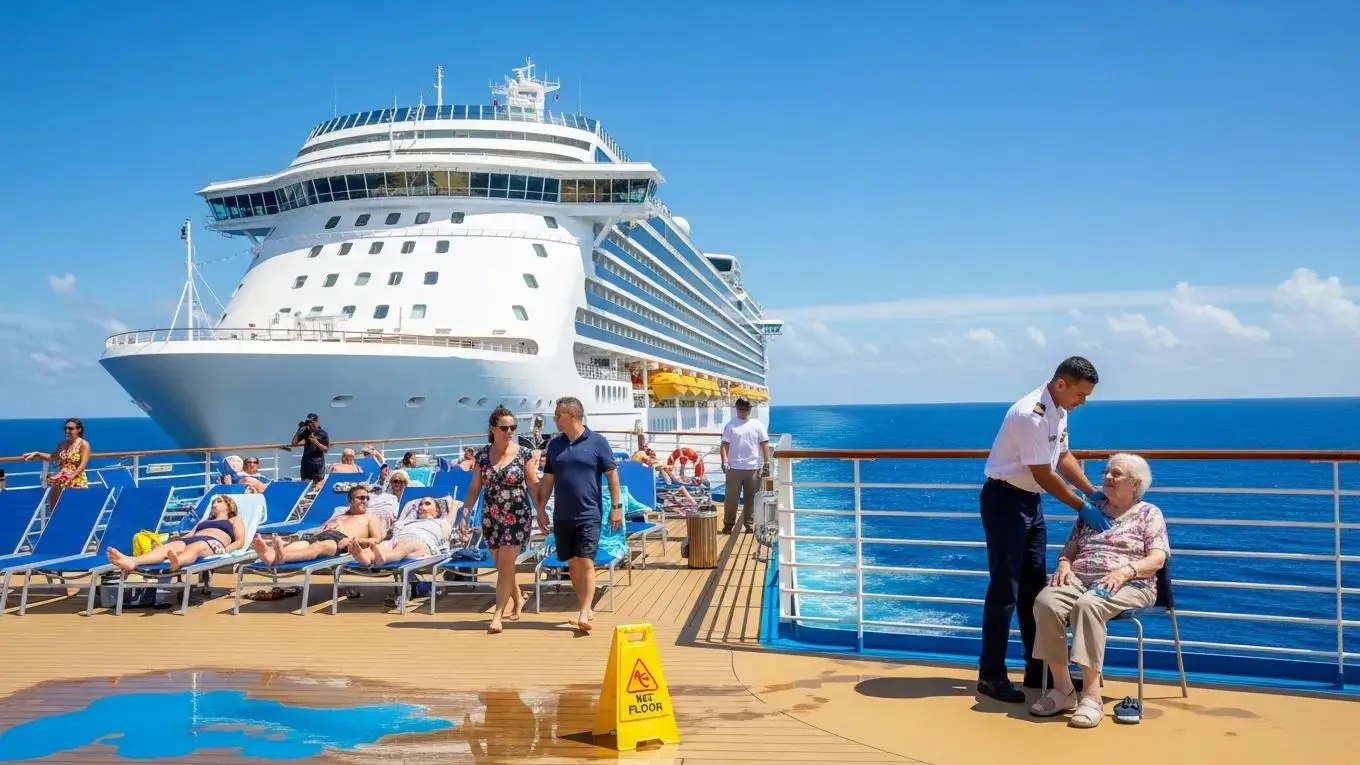
- Slip and Fall Accidents: Often occurring on wet decks or poorly maintained areas, these injuries can lead to serious consequences.
- Medical Emergencies: Passengers may face health crises due to inadequate medical facilities onboard.
- Traumatic Injuries: These can result from accidents during excursions or onboard activities.
Understanding these injuries is crucial for victims seeking compensation. Each type of injury may require different legal strategies to secure the necessary compensation.
This table highlights the various injuries and their corresponding legal implications, emphasizing the importance of legal representation in these cases.
Role of Attorneys in Helping Victims Secure Compensation
Attorneys play a critical role in assisting victims of cruise ship injuries. Their expertise in maritime law allows them to navigate the complexities of claims effectively. Attorneys help victims by:
- Establishing Negligence: They gather evidence to prove that the cruise line failed to meet its duty of care.
- Negotiating Settlements: Skilled attorneys negotiate with insurance companies to secure fair compensation for their clients.
- Litigating Cases: If necessary, attorneys can take cases to court, advocating for the victim’s rights.
Aronfeld Trial Lawyers is dedicated to maximizing compensation for clients through a client-centered approach. Their expertise ensures that victims receive the support they need during this challenging time.
The comprehensive role of legal professionals in maritime labor matters, including compensation strategies, is well-documented in academic discussions.
Maritime Labor Law & Lawyer’s Role in Compensation
This paper contributes to readers’ empirical and practice insights on maritime labour, law and professional practices, including management issues and implications. In addition, professionals involved in maritime labour matters like maritime lawyers, mediators, Insurance professionals and Trade Unions.
Labour Compensation Strategies/
Practices of Maritime Industry-Discussion on Critical Cases, WA Karunatilleke, 2022
What Are Your Rights Under the Jones Act and Maritime Injury Laws?
The Jones Act provides specific rights to injured crew members, allowing them to seek compensation for injuries sustained while working on a vessel. Under this act, crew members can file claims for negligence against their employers, which can include compensation for medical expenses, lost wages, and pain and suffering.
Understanding these rights is essential for crew members who may not be aware of their legal protections. The Jones Act also requires that employers maintain a safe working environment, further emphasizing the importance of legal representation in these cases.
How Does the Jones Act Protect Maritime Personal Injury Claims?
The Jones Act protects maritime personal injury claims by allowing injured seamen to pursue compensation for injuries caused by their employer’s negligence. This act is crucial for crew members, as it provides a legal framework for holding employers accountable for unsafe working conditions.
Eligibility under the Jones Act requires that the injured party be classified as a seaman, which typically means they work on a vessel that is engaged in maritime commerce. Proving negligence is essential, as it directly impacts the compensation available to the injured party.
Indeed, establishing negligence is a fundamental aspect of any claim brought under the Jones Act, as highlighted by legal scholarship.
Jones Act Negligence Claims for Seamen
In any event the validity of his claim is determined by the federal statute. The initial burden of proving negligence under the Jones Act is, of course, on the plaintiff seaman.
The Jones Act Remedies of Seamen, 1956
What Legal Standards Define Negligence in Cruise Ship Accidents?
Negligence in cruise ship accidents is defined by the failure to uphold a duty of care owed to passengers. This includes ensuring safe conditions onboard and providing adequate medical care. Legal standards for establishing negligence typically involve:
- Duty of Care: The cruise line must demonstrate that it took reasonable steps to ensure passenger safety.
- Breach of Duty: Evidence must show that the cruise line failed to meet this duty.
- Causation: There must be a direct link between the breach of duty and the injury sustained.
Understanding these legal standards is vital for victims seeking compensation, as they form the basis of any negligence claim.
Which Common Cruise Ship Injuries Qualify for Legal Compensation?
Several common cruise ship injuries qualify for legal compensation, including:
- Slip and Fall Injuries: Often resulting from wet surfaces or poorly maintained areas.
- Medical Malpractice: Occurs when onboard medical staff fail to provide adequate care.
- Foodborne Illnesses: Passengers may suffer from illnesses due to contaminated food.
Each of these injuries can lead to significant medical expenses and suffering, making it essential for victims to understand their rights to compensation.
What Types of Injuries Are Frequent in Miami Cruise Ship Accidents?
In Miami, cruise ship accidents can lead to specific types of injuries, including:
- Spinal and Neck Injuries: Often resulting from falls or accidents during excursions.
- Over-Service of Alcohol: Passengers may suffer injuries due to excessive drinking.
- Assaults: Unfortunately, some passengers may experience violence onboard.
These injuries highlight the need for legal representation to navigate the complexities of maritime law and secure compensation.
How Can a Cruise Ship Negligence Lawyer Help With Your Injury Case?
A cruise ship negligence lawyer can provide invaluable assistance in several ways:
- Investigation and Evidence Gathering: They will collect evidence to support the claim, including witness statements and medical records.
- Understanding Contracts: Lawyers can help victims understand the terms and conditions of their cruise contracts, which may impact their claims.
- Negotiation: Skilled attorneys negotiate with cruise lines and insurance companies to secure fair compensation.
Having a knowledgeable attorney can significantly impact the outcome of a case, ensuring that victims receive the compensation they deserve.
How Do You File a Cruise Ship Injury Claim in Miami?
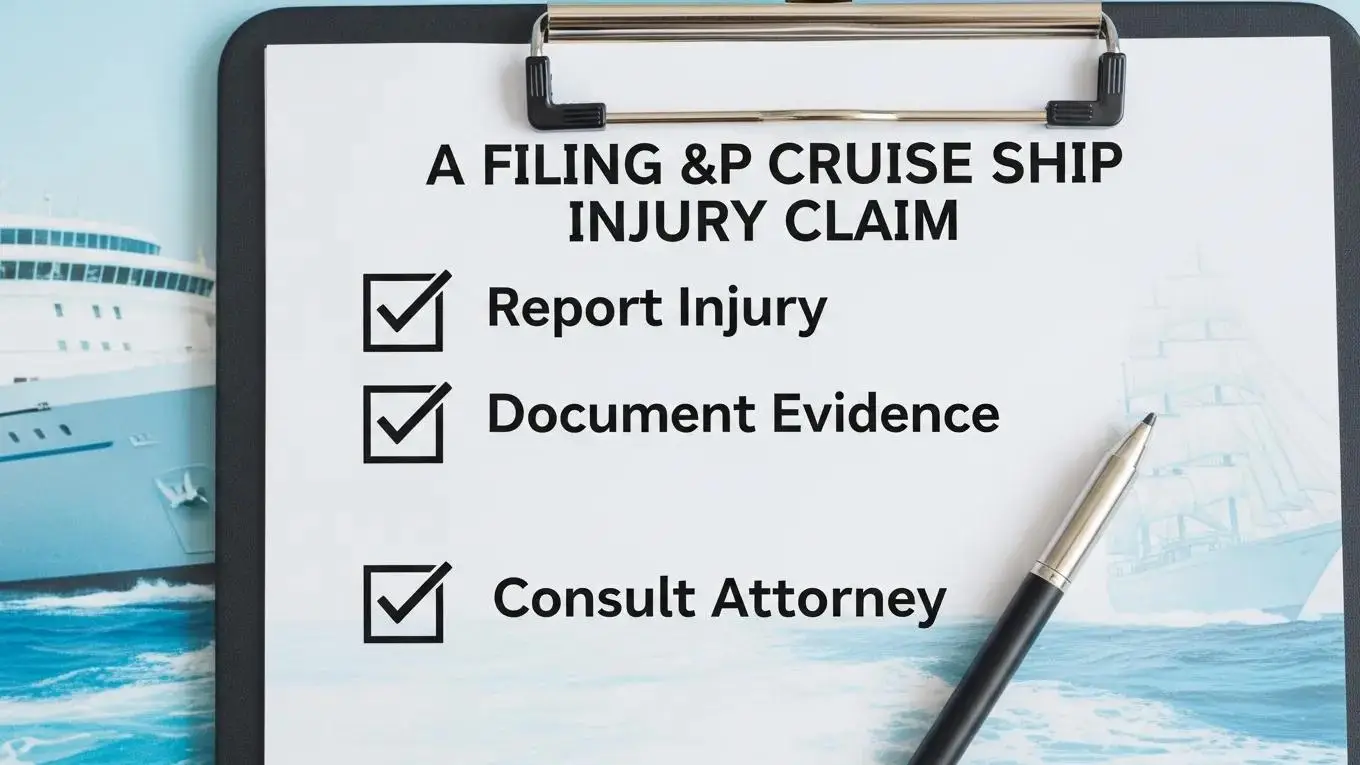
Filing a cruise ship injury claim in Miami involves several key steps:
- Report the Injury: Victims should report the injury to the cruise line immediately.
- Document Everything: Keeping detailed records of the incident, including photographs and medical reports, is crucial.
- Consult an Attorney: Seeking legal advice early can help victims understand their rights and options.
These steps are essential for ensuring that victims can effectively pursue their claims and secure the compensation they need.
What Is the Step-by-Step Process for Maritime Injury Lawsuits?
The process for maritime injury lawsuits typically involves the following steps:
- Initial Consultation: Victims meet with an attorney to discuss their case and options.
- Filing the Claim: The attorney files the claim with the appropriate court or agency.
- Discovery Phase: Both parties gather evidence and information relevant to the case.
- Negotiation: Attorneys negotiate settlements before the case goes to trial.
- Trial: If a settlement cannot be reached, the case proceeds to trial.
Understanding this process can help victims prepare for the legal journey ahead.
Why Is Timely Legal Consultation Critical for Your Claim?
Timely legal consultation is critical for several reasons:
- Strict Deadlines: Maritime injury claims are subject to strict time limits, known as statutes of limitations.
- Preservation of Evidence: Early consultation helps ensure that evidence is preserved and witnesses are interviewed promptly.
- Complex Legal Requirements: Maritime law is complex, and having an attorney can help navigate these intricacies.
Consulting with an attorney as soon as possible can significantly impact the success of a claim.
Why Choose Aronfeld Trial Lawyers for Your Miami Maritime Injury Case?
Choosing the right legal representation is crucial for victims of maritime injuries. Aronfeld Trial Lawyers offers several advantages:
- Expertise in Maritime Law: Their team specializes in maritime personal injury cases, ensuring clients receive knowledgeable representation.
- Successful Track Record: The firm has a history of securing favorable outcomes for clients.
- Client Testimonials: Satisfied clients highlight the firm’s dedication to providing compassionate and effective legal support.
With a focus on maximizing compensation, Aronfeld Trial Lawyers is committed to helping victims navigate the complexities of maritime law.
Expert Credentials and Expertise at Aronfeld Trial Lawyers
The attorneys at Aronfeld Trial Lawyers possess extensive expertise in maritime law, with a proven track record of successful case outcomes. Their credentials include:
- Experience in Maritime Law: Years of experience handling cruise ship injury cases.
- Successful Case Outcomes: A history of securing compensation for clients.
- Personalized Attention: Each client receives tailored support throughout the legal process.
This expertise ensures that clients receive the best possible representation for their cases.
How Does Our Client-Centered Approach Maximize Your Compensation?
Aronfeld Trial Lawyers employs a client-centered approach that focuses on maximizing compensation for victims. This approach includes:
- Compassionate Support: The firm prioritizes understanding clients’ needs and concerns.
- Maximizing Compensation: Attorneys work diligently to ensure clients receive the full compensation they deserve.
- Building Strong Relationships: The firm fosters strong relationships with clients, ensuring open communication and trust.
This commitment to client satisfaction sets Aronfeld Trial Lawyers apart in the field of maritime injury law.