
Miami Cruise Ship Accident Lawyer: Expert Board-Certified Maritime Injury Claims Representation
By Spencer Aronfeld, Aronfeld Trial Lawyers
Cruise ship accidents can result in debilitating injuries and emotional distress for victims and their families. When navigating the complex waters of maritime law, having a knowledgeable legal representative is crucial. A Miami cruise ship accident lawyer specializes in assisting victims in claiming compensation for injuries sustained on cruise ships, focusing on the intricacies of maritime injury claims. This article will explore the roles that maritime injury lawyers play in these situations, the importance of board certification in enhancing your representation, and the legal processes and evidence needed to build a solid case. Additionally, it will highlight common injury types and how to access free consultations with expert attorneys.
What Legal Support Does a Miami Maritime Injury Lawyer Provide for Cruise Ship Accidents?
Miami maritime injury lawyers offer a wide range of legal services specifically tailored for victims of cruise ship accidents. These attorneys have expertise in maritime law, allowing them to navigate the unique legal challenges that arise from incidents at sea. Some key areas of support include:
- Claim Evaluation: Assessing the viability of your case and potential compensation amounts.
- Investigation: Conducting thorough investigations into the circumstances of the accident, including gathering evidence and witness statements.
- Negotiations: Representing victims in discussions with the cruise line’s insurance companies to ensure fair settlements.
- Litigation: If necessary, taking cases to court to advocate for victims’ rights and ensure they receive the compensation they deserve.
Choosing a specialized maritime injury lawyer can significantly impact the outcome of a case, providing victims with invaluable support throughout the legal process.
How Does Board Certification Enhance Your Maritime Injury Representation?
Board certification is a significant credential within the legal profession that indicates a lawyer’s expertise and recognized competence in a specific area of law. For maritime injury lawyers, board certification can enhance representation in several ways:
- Proven Expertise: Certification signifies that an attorney has met rigorous standards in knowledge and practice in maritime law, assuring clients they are receiving quality representation.
- Increased Credibility: Board-certified lawyers often enjoy more credibility with judges and insurance companies, which can lead to better outcomes in negotiations and court.
- Continual Education: These lawyers are required to maintain their knowledge through continuous education, ensuring they stay current with changes in maritime law.
Effectively, board certification not only provides assurance to clients but also positions maritime injury lawyers as leaders in their field, which can lead to better case results.
Why Choose Specialized Legal Help for Cruise Ship Negligence Claims?
Opting for specialized legal help is essential when pursuing a cruise ship negligence claim due to the complexities of maritime law. Here are several reasons why specialized lawyers are preferable:
- Knowledge of Maritime Law: They possess in-depth knowledge about maritime regulations and laws, which can greatly affect the case outcome.
- Experience with Cruise Lines: Specialized attorneys often have experience dealing with large cruise line companies and understand their defense strategies and tactics.
- Advocacy for Victims: They are skilled in advocating for the rights of injured parties and can negotiate effectively for maximum compensation.
Given the differences between maritime law and other personal injury laws, hiring a specialized lawyer can enhance the likelihood of achieving a favorable settlement or verdict.
What Steps Are Involved in Filing a Cruise Ship Injury Claim in Florida?
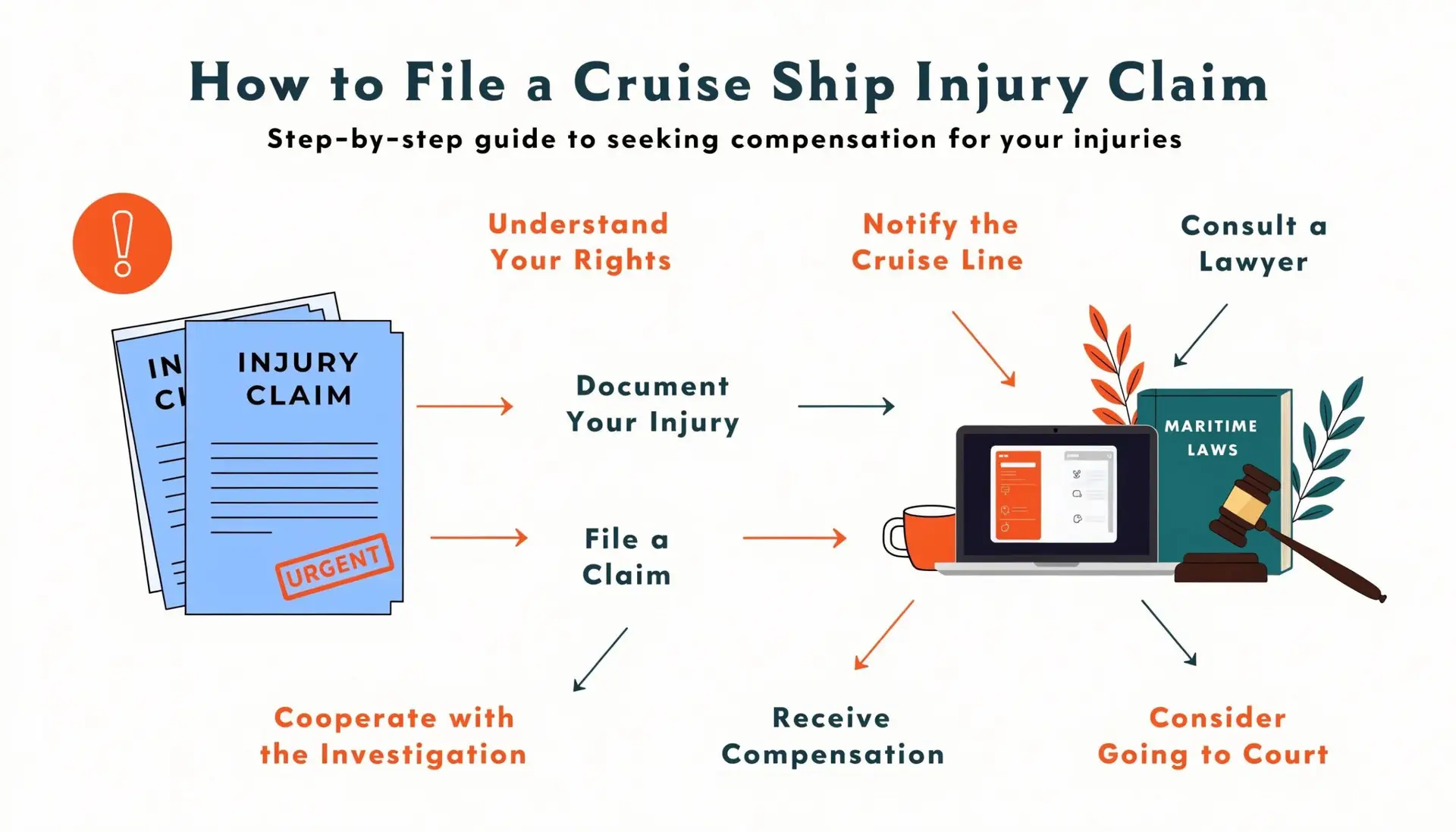
Filing a cruise ship injury claim typically involves several critical steps. Here is a step-by-step guide:
- Consultation: Schedule a consultation with a maritime injury lawyer to discuss your case details and claims process.
- Documentation: Gather necessary documentation, including medical records, photos of the incident, and accident reports.
- Claim Submission: Your attorney will handle the submission of your claim to the cruise line’s insurance company, which may require comprehensive details about the event and your injuries.
- Negotiation: Engage in negotiations with the insurance provider to settle your claim effectively. If negotiations are unsuccessful, litigation may be pursued.
- Legal Proceedings: If needed, your lawyer will file a lawsuit in the appropriate court and represent you throughout the trial process.
Understanding these steps helps ensure victims are prepared as they begin their journey toward seeking justice and compensation.
How Do Statutes of Limitations Affect Your Claim Timeline?
In Florida, the statute of limitations for filing a personal injury claim, including those arising from cruise ship accidents, is typically four years. This legal timeframe is crucial because:
- Time Constraints: Claimants must file their lawsuits within this period or risk losing their right to seek damages.
- Exceptions: Certain circumstances may toll or extend the statute of limitations, such as if the injured party was a minor at the time of the incident or if the responsible party concealed their actions.
- Legal Advice: It’s essential to consult with a maritime attorney to understand how these timelines apply to your specific situation and ensure compliance with legal requirements.
Being proactive and aware of these timelines can significantly influence the outcome of a claim.
What Evidence Is Required to Prove Cruise Ship Negligence?
Proving negligence in cruise ship injury cases requires a well-documented evidence base. Essential types of evidence include:
- Medical Records: Detailed documentation of injuries and treatments received post-accident.
- Accident Reports: Official reports prepared by the cruise line detailing the incident.
- Witness Testimonies: Accounts from individuals who witnessed the accident can support your claim.
- Photographic Evidence: Images of the scene, injuries, or conditions related to the incident can bolster your case.
Gathering and presenting this evidence effectively is vital for establishing liability and securing compensation for injuries.
What Are the Common Types of Injuries Covered in Maritime Personal Injury Claims?
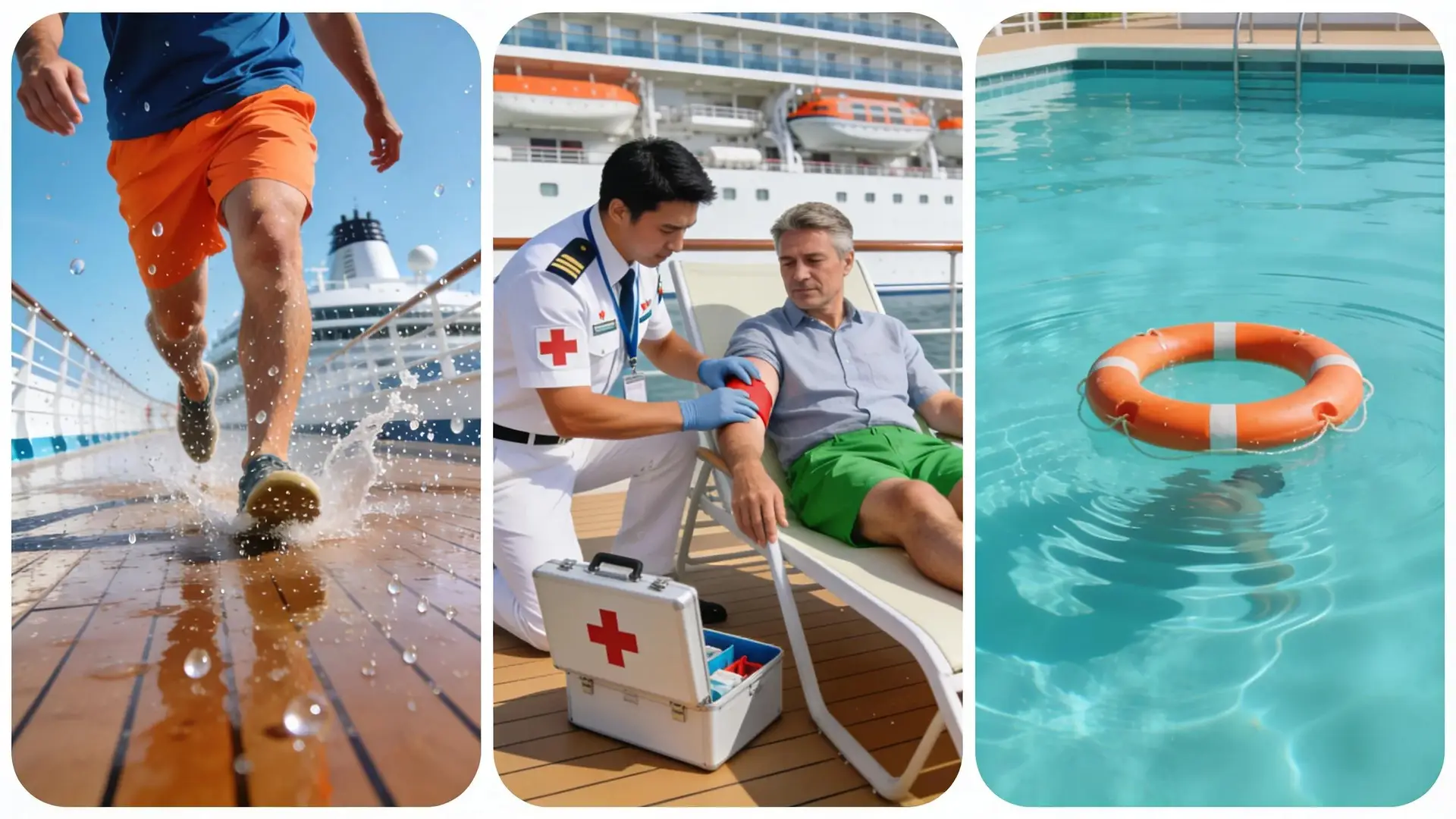
Maritime personal injury claims often encompass various injuries sustained on cruise ships, including:
- Slip and Fall Accidents: Due to wet surfaces or unsafe conditions.
- Medical Malpractice: Claims against medical personnel aboard ships for negligent treatment.
- Assaults: Injuries resulting from violent incidents, either from crew members or other passengers.
- Drowning or Near-Drowning: Incidents in pools, spas, or the ocean while on cruise premises.
Understanding these common injury types is crucial for victims as they assess their legal options.
How Can You Access a Free Consultation with a Board-Certified Miami Maritime Attorney?
Accessing a free consultation with a board-certified maritime attorney is a significant first step for victims of cruise ship accidents. Here are some practical steps to follow:
- Research: Identify qualified attorneys specializing in maritime law in Miami, particularly those with board certification.
- Contact: Reach out to their offices directly, usually found on their professional websites, to request a consultation.
- Prepare: Gather all relevant information, including accident details and medical records, to discuss during the initial meeting.
- Evaluate: Use the consultation to evaluate the attorney’s approach, experience, and comfort level before deciding on representation.
These consultations provide an excellent opportunity for victims to learn about their rights and potential legal avenues without any immediate financial commitment.