
Maritime Injury & Jones Act Claims: Aronfeld Trial Lawyers
By Spencer Aronfeld, Aronfeld Trial Lawyers
Maritime law encompasses a specialized area of legal practice that addresses the rights and responsibilities of those who work on navigable waters, including seafarers and passengers. This article delves into the intricacies of maritime law services, particularly focusing on the Jones Act and its implications for personal injury claims. Readers will gain insights into the legal frameworks that protect maritime workers, the types of claims that can be filed, and the essential role of legal professionals in navigating these complex waters. Understanding these elements is crucial for anyone involved in maritime activities, as it can significantly impact their rights and potential compensation. We will explore the legal frameworks, common types of claims, and the vital role of legal professionals in ensuring that victims receive the justice they deserve.
Legal Framework
The legal framework governing maritime law is essential for understanding the rights of seafarers and passengers. It primarily includes the Jones Act and the Longshore & Harbor Workers’ Compensation Act (LHWCA), which provide specific protections and remedies for maritime workers. These laws are designed to ensure that individuals injured while working on navigable waters can seek compensation for their injuries and losses.
Jones Act (46 U.S.C. �a7 30104)
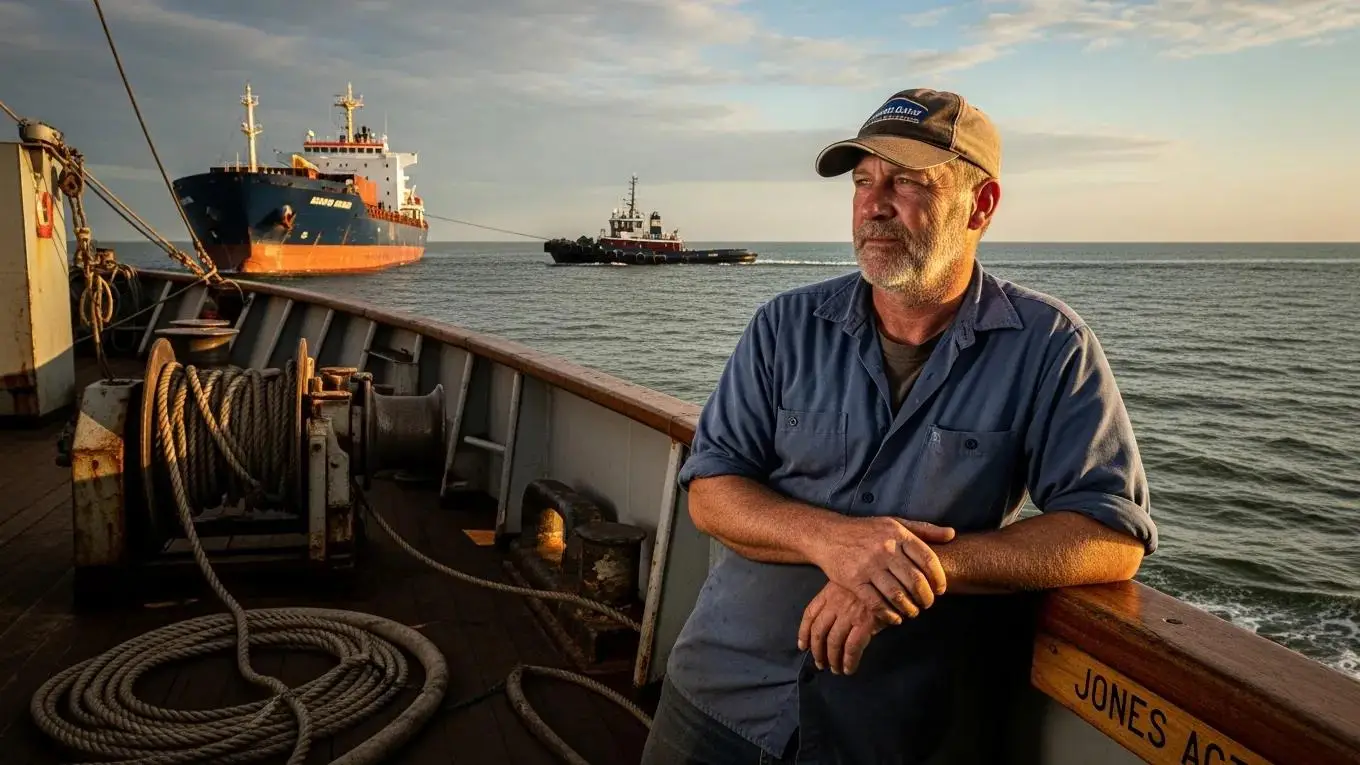
The Jones Act is a federal statute that allows seamen to sue their employers for personal injury damages resulting from negligence. Codified at 46 U.S.C. �a7 30104, it provides important statutory remedies that include compensation for medical expenses, lost wages, and pain and suffering. To qualify for protection under the Jones Act, an individual must be classified as a seaman. This classification follows the Chandris, Inc. v. Latsis standard, which requires a seaman to have a substantial connection to a vessel in navigation and a connection to a vessel’s operations that is substantial in duration and nature. This is commonly known as the substantial connection test.
The Jones Act employs a featherweight burden of proof when establishing employer negligence. Unlike traditional negligence cases, the injured seaman only needs to prove slight negligence on the part of the employer to succeed in a claim. This legal standard helps protect maritime workers who are in inherently risky work environments.
Maintenance and Cure
Beyond negligence claims, seamen are entitled to Maintenance and Cure, a no-fault remedy that ensures injured maritime workers receive daily living allowances (maintenance) and necessary medical treatment until they reach Maximum Medical Improvement (MMI). Maintenance typically covers expenses such as food and lodging, while cure refers to medical care.
Importantly, punitive damages may be awarded if an employer wrongfully or in bad faith denies maintenance and cure benefits. This was established in Atlantic Sounding Co. v. Townsend, where the Supreme Court affirmed that punitive damages serve as a deterrent against employer misconduct in maritime injury cases.
The Doctrine of Unseaworthiness
Under General Maritime Law, vessel owners owe an absolute duty to provide a seaworthy ship, including all appurtenances and a competent crew. This concept is known as the Doctrine of Unseaworthiness. It means that if the vessel or its equipment is unsafe, or if the crew is incompetent or untrained, causing injury to a seaman, the owner can be held strictly liable regardless of fault or negligence.
This doctrine serves as an important complement to the Jones Act by holding vessel owners accountable to maintain safe working conditions onboard their vessels.
Longshore & Harbor Workers’ Compensation Act (LHWCA)
The Longshore & Harbor Workers’ Compensation Act (LHWCA) provides compensation to maritime workers who are injured on navigable waters or in adjoining areas. Unlike the Jones Act, which applies specifically to seamen, the LHWCA covers a broader range of maritime workers, including longshoremen and harbor workers. This act ensures that injured workers receive medical care and compensation for lost wages, regardless of fault. Understanding the differences between the Jones Act and the LHWCA is vital for determining the appropriate legal recourse for maritime injuries.
Death on the High Seas Act (DOHSA, 46 U.S.C. �a7 30301)
The Death on the High Seas Act (DOHSA) applies to deaths occurring more than three nautical miles from U.S. shores. This federal statute allows the families of maritime workers who die due to wrongful acts, negligence, or unseaworthiness on the high seas to make claims for damages such as loss of support and services. Notably, DOHSA distinguishes between commercial and recreational or passenger vessels; commercial vessel deaths fall under the act beyond the three-mile limit, whereas passenger claims often have different parameters depending on the circumstances and jurisdiction.
Passenger Claims & Ticket Contracts
Passengers injured on cruise ships or other vessels may file claims against the vessel operator. Such claims must be carefully handled due to strict requirements:
- A 1-year statute of limitations typically applies to claims arising from a passenger injury on a vessel.
- A 6-month formal notice requirement often must be met by passengers to notify the carrier of the injury claim.
- Most cruise line ticket contracts include mandatory forum selection clauses, requiring lawsuits to be filed in the U.S. District Court for the Southern District of Florida (Miami). This jurisdictional clause limits where passengers can bring legal actions.
Common Types of Claims
Maritime law encompasses various types of claims that can be filed by injured parties. Understanding these claims is essential for anyone involved in maritime activities, as it can significantly impact their rights and potential compensation.
- Crew Member Injuries: Injuries sustained by crew members while working on a vessel can lead to claims under the Jones Act. These injuries may result from unsafe working conditions, equipment failure, or negligence on the part of the employer.
- Passenger Injuries: Passengers on cruise ships or other vessels may also file claims for injuries sustained due to negligence, such as slip and fall accidents or inadequate safety measures. These claims often involve complex legal considerations, as the liability of the vessel operator must be established.
- Wrongful Death: In tragic cases where a maritime worker or passenger dies due to negligence, surviving family members may file wrongful death claims. These claims seek compensation for the loss of income, emotional suffering, and funeral expenses.
Comparison Table: Key Maritime Claims and Legal Features
Role of Legal Professionals
Legal professionals play a critical role in maritime injury cases, helping clients navigate the complexities of maritime law. They provide essential guidance in understanding the legal frameworks, filing claims, and representing clients in negotiations or court proceedings.
Maritime law is intricate, and the stakes are high for injured workers and passengers. Legal professionals ensure that clients receive the compensation they deserve by proving negligence and maximizing claims. Their expertise is invaluable in dealing with insurance companies and opposing legal teams, which often seek to minimize payouts.
Why Choose Aronfeld Trial Lawyers
Aronfeld Trial Lawyers stands out as a premier choice for maritime law representation, especially in Miami federal court. The firm boasts a board-certified civil trial expertise and an established record of successful maritime courtroom outcomes, particularly for Jones Act claims and related maritime injury cases.
Choosing Aronfeld Trial Lawyers means working with legal professionals deeply familiar with maritime regulations, federal and admiralty procedural rules, and the nuances of complex injury claims. Their commitment to client advocacy and proven courtroom skill sets them apart as trusted advocates for seafarers, passengers, and maritime workers seeking justice and full compensation.
Frequently Asked Questions (FAQs)
Aronfeld Trial Lawyers specializes in providing legal representation for personal injury cases under maritime law, particularly for Jones Act claims and other admiralty law-related injuries. If you or a loved one has been injured at sea, it is crucial to seek expert legal assistance to navigate the complexities of maritime law.