
Blog
LABOR DAY SAFETY TIPS
By Kristine Snively · August 26, 2026
As Labor Day weekend approaches, many of us are looking forward to celebrating the unofficial end of summer. From road trips to barbecues, this holiday is one of the most common times for people to travel during the year. Whether you’re firing up the grill, relaxing by the pool or beach, or planning a road trip, it’s important to keep safety top of mind.
Hundreds of auto accident fatalities occur over Labor Day weekend. If you plan on driving, do so with caution. Make sure your holiday weekend is fun and accident free by following Aronfeld Trial Lawyers’ Labor Day Safety Tips.
DRIVING SAFETY:
- Labor Day is one of the deadliest times to drive, with about 41% of traffic fatalities involving drunk driving—a completely preventable crime. Never drive impaired. If you plan to drink alcohol, arrange a designated driver or use a rideshare service to get home safely.
- Avoid driving at night. Try to do most driving during daylight hours; motorists driving under the influence are usually on the road after 9:00 p.m.
- If you see an impaired or aggressive driver, call *FHP (*347) or 911.
- Obey speed limits and drive defensively on the highway.
- Buckle up. Studies show seat belts, when used, are 45% effective in preventing fatalities among front-seat passenger car occupants.
- Do not drive distracted. Keep your eyes on the road, hands on the wheel, and your mind focused on driving.
- Get plenty of rest before you get behind the wheel. Drowsy driving can be just as dangerous as impaired driving.
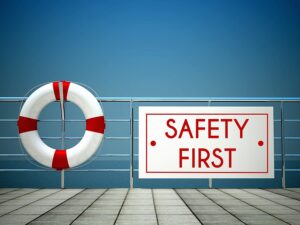
- Drowning can happen in as little as 20 to 60 seconds. Children ages one to four are at especially high risk of drowning in residential pools. If you attend a Labor Day pool party, always watch children closely and never leave them unattended near water.
- Designate a “water watcher” whose sole responsibility is to keep an eye and constant attention on everyone in and around the water.
- Monitor the weather and get out of the water at the first sign of lightning or thunder.
- Always swim in areas supervised by a lifeguard.
- Read and follow all posted pool rules and signs.
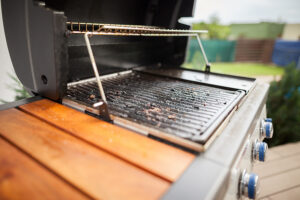
- Place your grill (at least 10 feet) away from your home or any other structure that could possibly catch fire.
- Make sure your grill is located on a flat, level surface.
- Keep children and pets away from the grill.
- Never leave the grill unattended.
- Never use gasoline or kerosene to light a charcoal fire.
- Avoid pouring lighter fluid on hot charcoal. This is the leading cause of grill-related burns.
- Never light a grill on a balcony or inside any structure as it is extremely dangerous for all building occupants.
- Wear appropriate clothing. Clothing that has long sleeves or pieces that dangle can catch fire when close to the flame.
- Drink plenty of fluids throughout the day. Avoid drinks that contain caffeine, alcohol, or have a high sugar content. These can all contribute to dehydration and make a heat-related illness worse.
- Wear lightweight, light-colored, loose-fitting clothing.
- Protect your skin. Apply a broad-spectrum sunscreen with an SPF of at least 30.
- If you or a loved one feels lightheaded, confused, weak, or faint, seek medical attention immediately by calling 911.
- Stay cool. Take cool showers or baths or wear a wet scarf or bandana to help minimize the effects of the heat.
- Do not forget about your pets. Keep them in an air-conditioned area and provide them with plenty of water. If they must remain outdoors, make sure they have access to a cool, shaded area with plenty of fresh water.
- Always check the weather conditions before setting sail.
- Alcohol and boating do not mix. Alcohol impairs judgment, balance, and coordination, all of which are necessary for safe boating, especially for the vessel operator.
- Before leaving shore, make sure your boat is in good condition and that all safety equipment is on board and working properly.
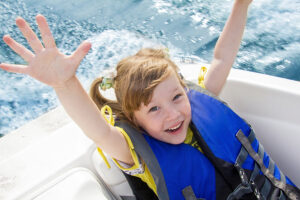
- Have at least one Coast Guard-approved life jacket for every passenger on the boat.
- Before setting out, tell a responsible person where you are going and when you expect to return. In an emergency, this information can help rescuers locate you quickly.
- The best thing anyone can do to stay safe in and around the water is to learn to swim, especially anyone participating in boating activities.
- Operator Negligence: In many cases, accidents occur due to operator error, such as inattentiveness, speeding, or operating under the influence of alcohol or drugs.
- Weather Conditions: Adverse weather conditions, such as storms, high winds, and fog, can contribute to accidents, making navigation challenging. Sudden shifts in the weather, which are as unpredictable as they are common in Florida, can make the seas erratic and extremely dangerous.
- Equipment Failures: Mechanical failures, such as engine problems or steering issues, can lead to accidents if not promptly addressed.
- Collisions: Collisions with other vessels, stationary objects, or underwater hazards are common accidents on the water. Boats are required in Florida to maintain a safe distance from one another; however, this can become challenging in narrow waterways and canals.
- Inexperienced Operators: Novice boaters may lack the skills and knowledge needed to safely navigate, increasing the risk of accidents.