
What to Expect From a Cruise Ship Accident Attorney

What to Expect From a Cruise Ship Accident Attorney: Expert Guidance on Maritime Injury Claims
By Spencer Aronfeld, Aronfeld Trial Lawyers
When you board a cruise, you expect a safe voyage. Accidents can cause serious injury and raise complex legal issues; a cruise ship accident attorney provides specialised representation under maritime law. This article outlines the attorney’s role, procedural steps, common case types, compensation categories, evidence preservation, and practical tips for pursuing a claim.
Expert Guidance on Maritime Injury Claims
Maritime law differs from land-based personal injury law and creates unique jurisdictional and liability issues. Experienced cruise ship attorneys understand these rules, how cruise lines allocate responsibility, and procedural requirements. Many firms, including Aronfeld Trial Lawyers, offer initial consultations to explain your rights and options.
Legal Processes Involved
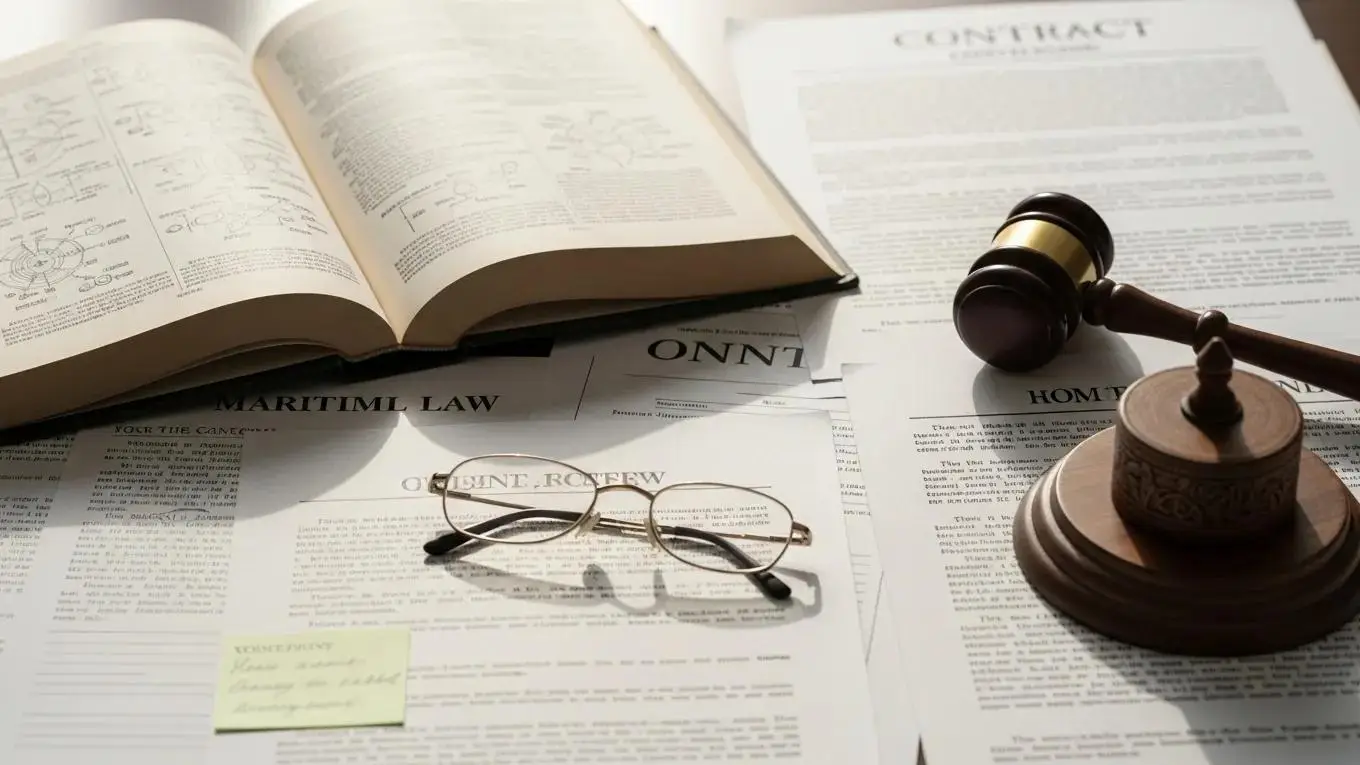
Procedural steps and filing deadlines can materially affect recovery; missing them can forfeit your claim.
- Filing Claims: Passengers must submit claims within time frames set by jurisdiction and ticket contracts.
- Time Limitations: Statutes of limitation and contractual deadlines often range from months to years and determine viability.
- Jurisdictional Issues: Suits may need to be filed in venues tied to the vessel’s flag, the cruise line’s operations, or contract terms.
Skilled maritime counsel is essential to manage deadlines and preserve evidence.
Types of Cases Handled
Cruise ship attorneys handle a broad range of claims arising on board.
- Slip and Fall Accidents: Injuries from wet, uneven, or unsafe surfaces.
- Food Poisoning: Illnesses linked to contaminated food or unsafe practices.
- Assaults: Claims for assault or sexual assault on board.
- Maritime Negligence: Allegations that the cruise line failed to maintain safe conditions or provide security.
Correctly identifying the claim type clarifies applicable legal theories and remedies.
Compensation for Damages
Plaintiffs may pursue multiple damage categories depending on injuries and losses.
- Medical Expenses: Costs for treatment, surgery, and rehabilitation.
- Lost Wages: Compensation for income lost during recovery or reduced earning capacity.
- Pain and Suffering: Awards for physical pain and emotional harm.
The table summarises typical damage categories and their role in calculating recovery.
Tips for Choosing the Right Attorney
Select counsel with maritime experience and a record of handling cruise ship cases.
- Experience in Maritime Law: Hire attorneys familiar with maritime statutes and precedents.
- Reputation and Reviews: Check client testimonials and case results.
- Understanding Costs: Confirm fee arrangements; many maritime attorneys work on contingency.
Choose counsel who combines legal skill with client-focused communication.
Preservation of Evidence
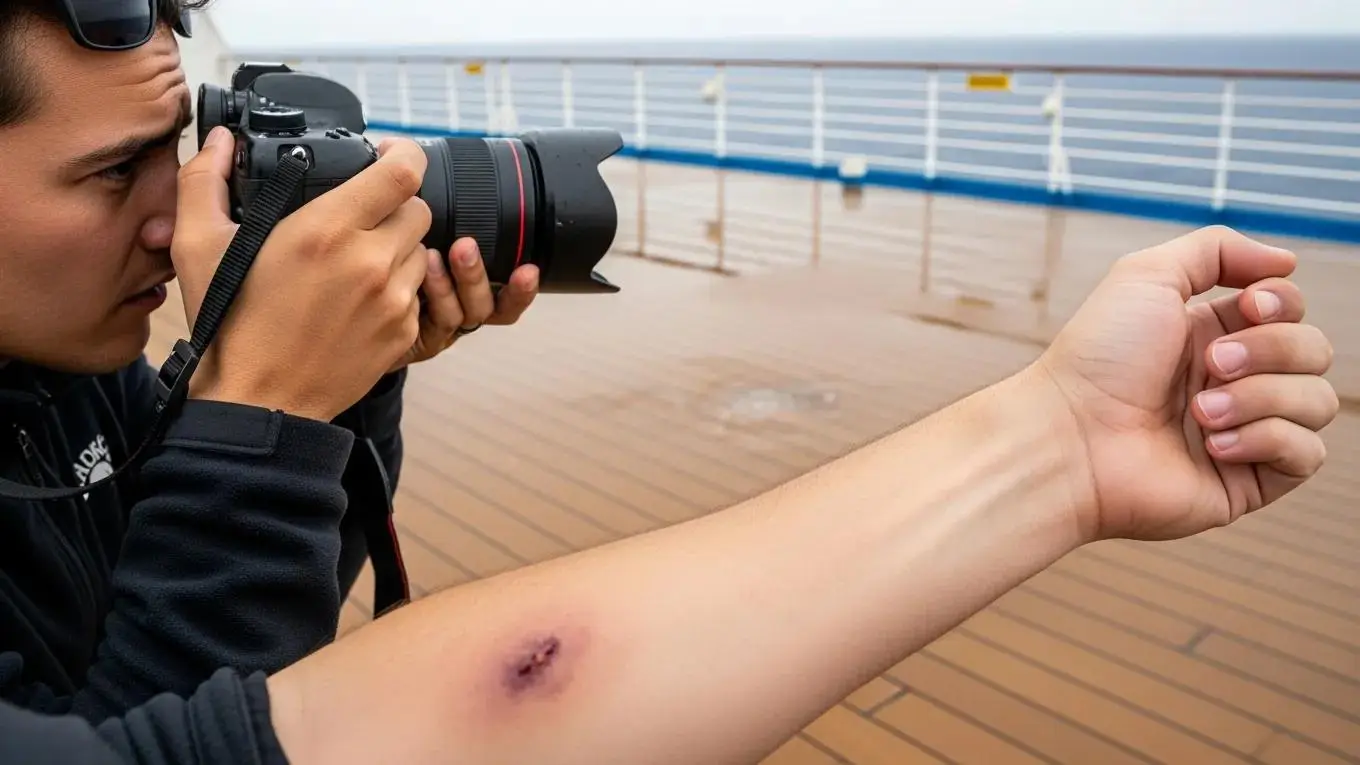
Preserving evidence quickly strengthens your claim. Key items include:
- Photographs of Injuries: Visual records of injuries and the scene.
- Witness Statements: Contact details and written accounts.
- Medical Records: Complete treatment notes, diagnoses, and prognoses.
Your attorney can help secure ship logs, incident reports, and other records the cruise line controls.
Negotiation and Litigation
Most claims are resolved in negotiation, but readiness to litigate improves settlement outcomes.
- Negotiation Skills: Advocating with cruise line representatives and insurers.
- Litigation Readiness: Preparing to file suit if offers are inadequate.
- Potential Outcomes: Explaining likely settlement ranges and possible trial results.
How Does a Cruise Ship Injury Lawyer Protect Your Rights?
An attorney interprets your rights under maritime and contract law, reviews ticket terms, and advocates for fair compensation at every stage.
- Legal Protection: Explaining applicable law and your remedies.
- Navigating Contracts: Identifying clauses that affect notices, venue, or deadlines.
- Client Advocacy: Representing you in negotiations or court.
What Is the Role of a Maritime Accident Attorney in Your Case?
A maritime attorney builds the case by investigating the incident, reviewing contracts, and assembling evidence to establish negligence.
- Conducting Thorough Investigations: Examining facts, scene, and records.
- Reviewing Contracts: Spotting provisions that affect your claim.
- Establishing Negligence: Gathering proof that the cruise line’s conduct caused injury.
How Do Experienced Attorneys Handle Cruise Ship Negligence Claims?
They follow a structured approach that focuses on evidence collection, legal analysis, and settlement strategy.
- Collecting Evidence: Securing eyewitness accounts, medical documentation, and ship logs.
- Understanding Negligence: Applying maritime negligence principles to the facts.
- Negotiating Settlements: Using evidentiary strength and precedent to seek fair compensation.
What Types of Injuries and Compensation Can You Expect in Cruise Ship Claims?
Injuries range from physical trauma to psychological harm; compensation can cover immediate and future medical care, lost earnings, and non-economic losses.
- Physical Injuries: Fractures, sprains, lacerations, and similar harms.
- Psychological Impact: Anxiety, PTSD, and related conditions.
- Financial Reimbursement: Medical bills, lost income, and pain and suffering.
Specialised legal guidance is important during the cruise ship injury claims process.
Which Passenger Injuries Are Common in Cruise Ship Accidents?
Common injuries include slips and falls, illnesses from contaminated food, and harms resulting from inadequate security.
- Slip and Fall Injuries: From wet decks, poor signage, or uneven surfaces.
- Illnesses from Contaminated Food: Outbreaks such as norovirus that affect many passengers.
- Physical Assault: Incidents where onboard security is insufficient.
Recognising injury patterns helps identify legal claims and the evidence needed to support them.
What Compensation Categories Are Available for Cruise Ship Injuries?
Damage categories commonly recognised include economic, non-economic, and punitive damages where conduct is egregious.
- Economic Damages: Medical costs, lost wages, and tangible losses.
- Non-Economic Damages: Pain, emotional distress, and loss of enjoyment of life.
- Punitive Damages: In narrow cases of especially wrongful conduct.
Each category addresses different losses and supports a comprehensive recovery.
What Is the Legal Process When Working With a Cruise Ship Accident Attorney?
Typical stages include an initial consultation, evidence collection, and negotiation or litigation depending on the case.
- Initial Consultation: Review of facts and legal options.
- Evidence Collection: Compiling medical records, witness statements, and documents.
- Negotiation or Litigation: Seeking settlement or filing suit if necessary.
Knowing these stages helps set realistic expectations and lets you participate effectively.
What Steps Should You Expect From Initial Consultation to Settlement?
The path from consultation to resolution usually follows case review, gathering evidence, and settlement discussions with insurers or counsel.
- Detailed Case Review: Assessing liability, damages, and procedural issues.
- Gathering Evidence: Obtaining witness statements, photos, medical records, and ship logs.
- Negotiation and Settlement Discussions: Engaging insurers and cruise line counsel.
Clear communication with your attorney keeps the process on track.
How Long Do Cruise Ship Injury Cases Typically Take?
Duration depends on case complexity, negotiation timelines, and court schedules. Many claims resolve within months; complex matters can take a year or more.
- Complexity of the Case: Medical or factual disputes add time.
- Negotiation Timelines: Extended talks can delay resolution.
- Court Schedules: Litigation follows court availability and procedure.
How Can You Prepare for Your Free Consultation With a Maritime Injury Lawyer?
Preparation makes consultations more productive. Bring medical records, incident reports, photos, and any cruise line correspondence; prepare questions about experience, strategy, and fees; and clarify your goals.
- Gather Relevant Documents: Medical records, incident reports, photos, and correspondence.
- Prepare Questions: Ask about experience, strategy, and expected outcomes.
- Clarify Your Goals: Identify whether you seek reimbursement, lost income, or other relief.
Being organised enables the attorney to assess your case efficiently.
What Questions Should You Ask Your Cruise Ship Accident Attorney?
Key consultation questions include:
- What is your experience with cruise ship accident cases?
- What are the potential outcomes for my claim?
- How do you structure your fees and payment?
These questions help you evaluate the attorney’s qualifications and fit.
How Do You Provide Necessary Information for Your Case Evaluation?
Provide accurate, comprehensive details and respond promptly to requests for records to help build a strong claim.
- Document All Details: Keep a written account of events, times, and locations.
- Be Honest and Transparent: Disclose relevant facts and prior medical history.
- Follow Up Promptly: Supply records and clarifications quickly.
Clear communication and documentation let your legal team evaluate and pursue your claim effectively.
Frequently Asked Questions
1. What Should I Do Immediately After an Accident on a Cruise Ship?
Get medical evaluation and treatment, report the incident to the crew for an official incident report, photograph the scene and injuries if safe to do so, collect witness contacts, and keep written notes about symptoms and events.
2. Can I File a Claim If the Cruise Line Refuses to Acknowledge My Injury?
Yes. Document injuries thoroughly and consult a maritime attorney who can gather additional evidence and pursue a claim; act promptly because strict filing deadlines often apply.
3. Are There Special Considerations for Tourists Injured on Foreign Cruise Ships?
Yes. Foreign-flagged vessels may implicate the flag state’s laws, the cruise line’s contract terms, and international conventions; an experienced maritime attorney can advise on jurisdiction and required steps.
4. What Types of Evidence Are Most Effective in Maritime Injury Claims?
Effective evidence includes photographs, contemporaneous medical records, maintenance logs, eyewitness statements, and the ship’s incident report; broader, consistent documentation strengthens claims.
5. How Do Compensation Claims for Cruise Ship Injuries Differ from Other Personal Injury Claims?
Maritime claims invoke specific statutes, contractual provisions, and venue rules not present in land-based actions; time limits and liability standards can differ, and specialised analysis is often required.
6. What Are the Risks of Not Hiring a Cruise Ship Accident Attorney?
Risks include missing deadlines, failing to preserve evidence, and accepting inadequate settlements. Cruise lines use experienced defence teams; specialised counsel helps protect your rights and pursue full recovery.
7. Can I Represent Myself in a Case Against a Cruise Line?
While possible, self-representation is generally inadvisable given maritime law complexity; most successful claims are handled by experienced attorneys.